Flexible Healthy Meal Plan: 1-Week or 1-Month Recipes
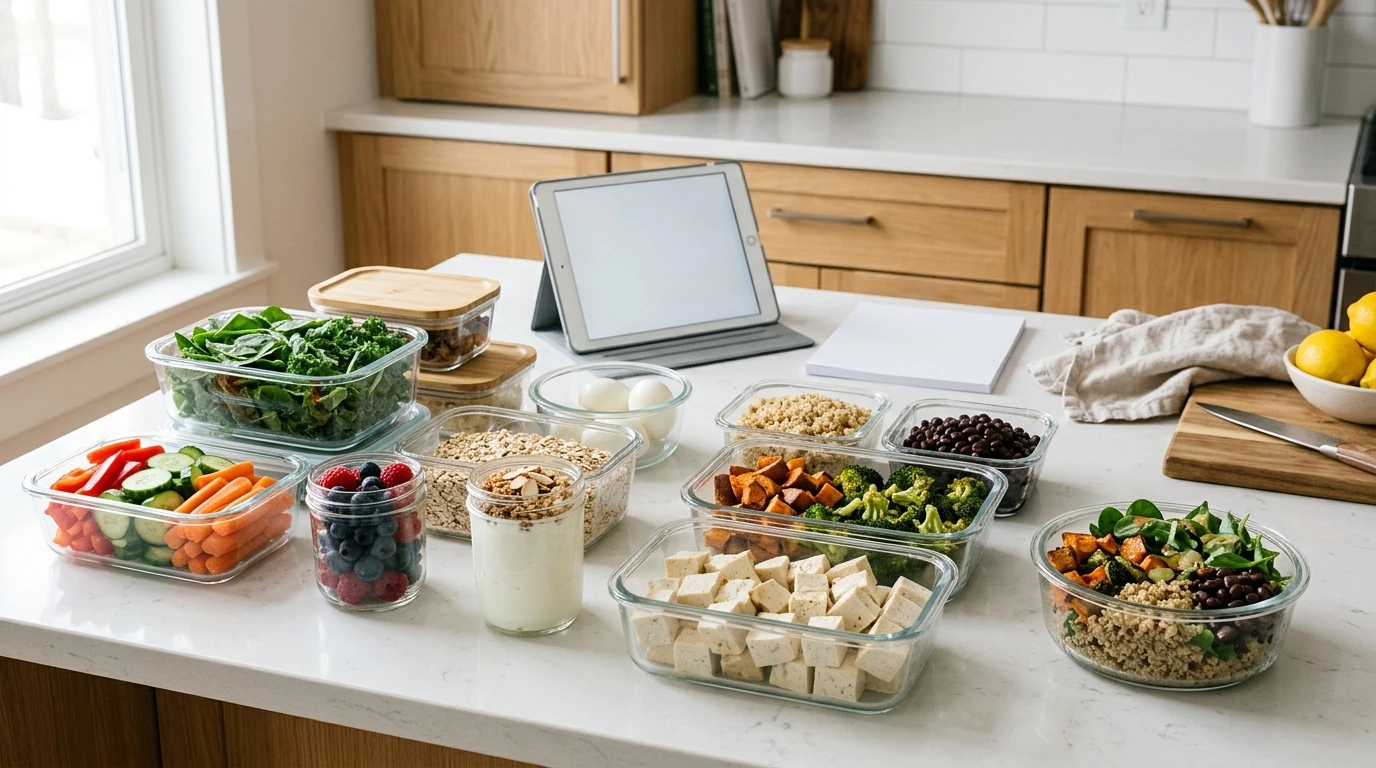
A practical meal plan removes the daily guesswork: what to cook, how to balance plates, and how to keep snacks satisfying without derailing goals. This guide breaks down a simple approach to building a one-week or one-month routine, plus what to look for in a ready-to-use recipe collection so meals stay varied, nutrient-dense, and realistic for busy schedules.
What a balanced meal plan looks like (without strict rules)
A balanced plan doesn’t need complicated math or “perfect” days. It works best when the structure stays steady and the ingredients rotate so you don’t get bored.
- Build each main meal around a protein, high-fiber carbs, colorful produce, and a source of healthy fats for staying power.
- Aim for consistency rather than perfection: similar structure daily, different flavors and ingredients across the week.
- Use snacks as “mini-meals” when needed: combine protein + fiber (for example, yogurt + berries; hummus + vegetables).
- Hydration and timing matter: regular meals reduce impulsive grazing and help energy levels feel steadier.
For an easy visual, the USDA MyPlate Plan and the Harvard Healthy Eating Plate both reinforce the same big idea: prioritize plants, include quality protein, and keep meals proportioned in a sustainable way.
Choose your timeline: one week vs one month
The best timeline is the one that matches how you shop, cook, and live day to day.
- One-week plans work well for resets, busy weeks, or learning what portions and meal timing feel best.
- One-month plans reduce decision fatigue longer-term, especially when they include built-in variety and repeatable templates.
- The best approach is often a hybrid: follow a weekly plan, then rotate to a new week’s menu the next week to form a month.
- Prioritize plans that include breakfasts, lunches, dinners, and snacks so the day feels complete and less restrictive.
If your schedule changes week to week, treat the plan like a flexible menu: keep the “anchors” (breakfast and lunch) consistent, and swap dinners based on time and energy.
A simple framework for breakfast, lunch, dinner, and snacks
Instead of chasing novelty at every meal, rely on a repeatable formula and change the flavors. That keeps shopping predictable and meals satisfying.
Breakfast
Pair protein + fiber to curb mid-morning hunger. Think eggs or tofu with veggies, Greek yogurt or cottage cheese with fruit, or oats/chia with berries.
Lunch
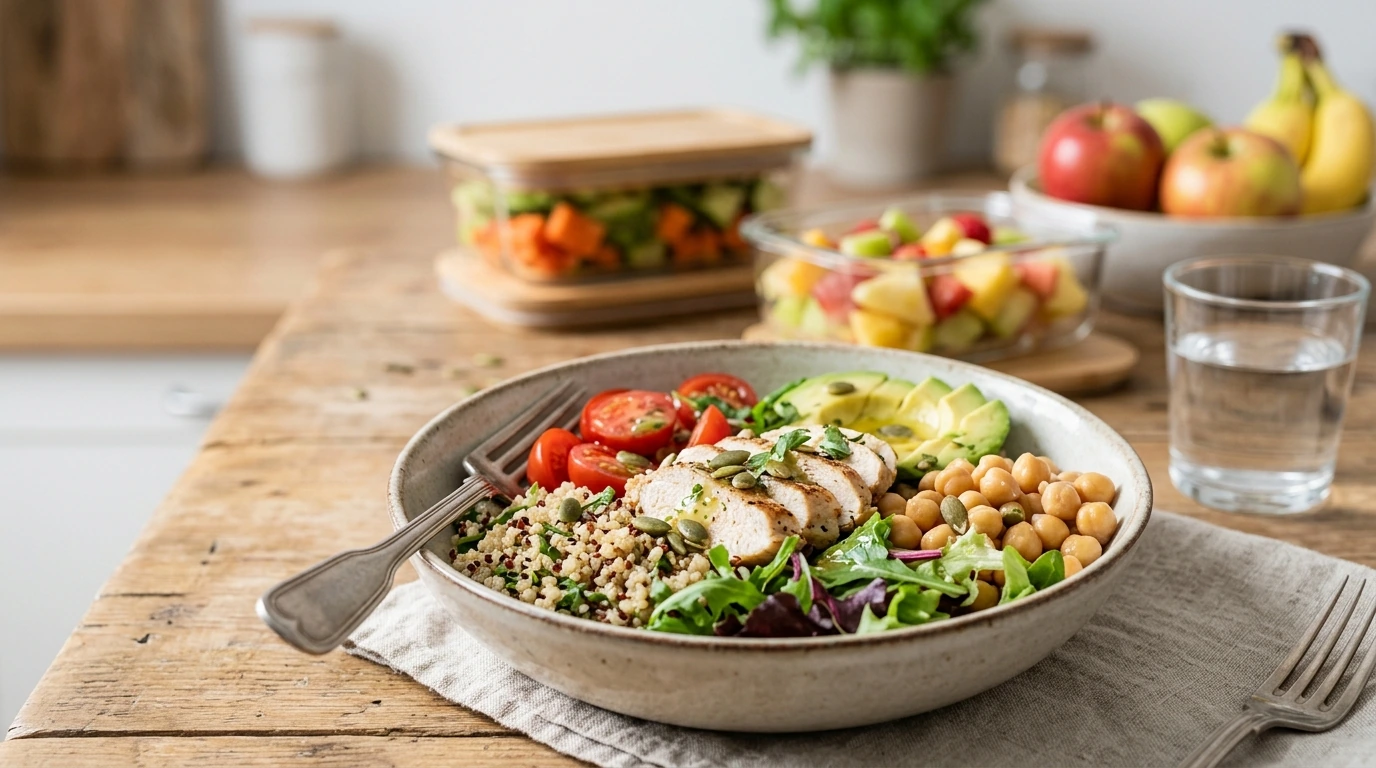
Build around a filling base (salad bowl, grain bowl, or soup), add protein, and finish with a flavorful dressing or sauce so it feels like a real meal—not “diet food.”
Dinner
Balance the plate—half vegetables, a quarter protein, a quarter quality carbs—with a fat source for satiety. This format works whether you’re cooking fresh or reheating meal prep.
Snacks
Plan 1–2 options daily so choices are ready when hunger hits. Great go-tos include nuts (portion-conscious), fruit + nut butter, edamame, or cheese + whole-grain crackers.
Meal prep that doesn’t take over your weekend
Meal prep is most sustainable when it’s light, repeatable, and designed to keep food tasting fresh through the week.
- Prep “building blocks” instead of full meals: cook one protein, one grain, roast a tray of vegetables, wash/chop produce.
- Create mix-and-match meals: use the same components for bowls, wraps, salads, and quick stir-fries.
- Use a two-day rhythm: a short prep session midweek keeps food fresh and prevents boredom.
- Choose recipes that reheat well and include storage guidance to help reduce waste.
If you’re short on time, prioritize the “highest friction” items first (protein and chopped veggies). Once those are ready, assembling meals becomes a 5–10 minute task.
Portion and macro balance: keep it practical
Quick plate-building guide (adapt as needed)
| Meal | Protein | Fiber-rich carbs | Vegetables/Fruit | Healthy fats |
|---|---|---|---|---|
| Breakfast | Eggs, yogurt, tofu, protein smoothie | Oats, whole-grain toast, chia, fruit | Berries, banana, spinach, tomatoes | Nut butter, seeds, avocado |
| Lunch | Chicken, tuna, lentils, tempeh | Brown rice, quinoa, beans, whole-grain wrap | Big salad or veggie-packed bowl | Olive oil dressing, nuts, tahini |
| Dinner | Fish, lean meat, beans, tofu | Potatoes, whole grains, legumes | Roasted or sautéed vegetables | Olive oil, avocado, seeds |
| Snack | Cottage cheese, edamame, hummus | Fruit, whole-grain crackers | Raw veggies, berries | Nuts, seeds (small portion) |
Keep variety high while repeating what works
What to look for in a meal plan and recipe collection
If you’re also working on overall health habits, pairing consistent meals with realistic movement and sleep goals aligns well with guidance from the CDC’s Healthy Weight, Nutrition, and Physical Activity resources.
Healthy Meal Plan & Recipe Collection eBook: an easy way to start
For a plug-and-play routine, the Healthy Meal Plan & Recipe Collection eBook provides a structured set of recipes and schedules to reduce planning time while keeping meals balanced across the day.
For an all-around life-simplifying approach, many shoppers also pair meal planning with money and family organization tools like Personal Finance Made Easy Ebook and the First-Time Parent Survival Guide.
Simple substitutions for common dietary needs
FAQ
Is a one-week meal plan enough to see benefits?
Yes—one week can boost consistency, reduce last-minute takeout, and help you discover portions and meal timing that keep you satisfied. If it works well, repeat that week or rotate in a new one to build a full month.
How many snacks per day fit a healthy meal plan?
Anywhere from 0–2 snacks per day can fit, depending on hunger, activity, and meal timing. When you do snack, aim for protein + fiber (like yogurt and berries or hummus and veggies) to stay fuller longer.
Can the recipes be adjusted for weight loss or muscle gain?
Typically, yes—the same meals can be scaled by adjusting portions, adding protein, or choosing higher- or lower-calorie sides. For more specific targets, align changes with your personal needs and consider guidance from a qualified professional.











Leave a comment